


Choosing a reliable heavy-duty hydraulic cylinder is far more complicated than simply matching size and installation parameters. Most machinery operators and maintenance teams only focus on appearance dimensions and quotation prices, ignoring hidden structural flaws, material grades, and sealing system compatibility that directly determine long-term stability. Frequent cylinder leakage, slow lifting response, piston wear, and abnormal vibration during operation are not accidental faults, but systematic problems caused by unreasonable product selection and low-quality component matching. Understanding core failure mechanisms helps users avoid repeated maintenance losses and unnecessary downtime costs across construction machinery, agricultural equipment, and engineering vehicle applications.
High-performance heavy load hydraulic cylinders adopt precision integrated machining technology that addresses the most overlooked hidden issue in ordinary cylinders: uneven stress distribution under extreme working pressure. Conventional cylinders use ordinary seamless steel pipes with low fatigue resistance, which produce micro-deformation after long-term high-pressure operation. Tiny deformation further damages sealing rings, accelerates internal oil leakage, and gradually reduces power output. Users often blame hydraulic oil quality or system pressure settings, while the root cause remains insufficient cylinder body strength and inaccurate dimensional tolerance control.
Working environment corrosion, dust intrusion, and frequent impact loads continuously erode hydraulic cylinder service life in outdoor harsh conditions. Sand particles, moisture, acid impurities, and temperature drastic changes damage rod surface coating and dust-proof structures rapidly. Many low-cost cylinders lack multi-layer anti-corrosion treatment, leading to rod rust, scratch abrasion, and seal aging in just a few months. Professional engineering equipment requires cylinders with enhanced surface hardness, waterproof sealing structure, and high-temperature resistance to adapt continuous heavy-load operation day and night.
Nuopei Auto Parts specializes in customized hydraulic power components manufactured strictly according to industrial heavy-duty standards, solving chronic faults that plague ordinary hydraulic cylinder products. The whole production process includes raw material testing, precision boring, surface quenching, sealing assembly, pressure resistance testing, and fatigue durability verification. Every finished product passes multi-stage pressure testing far higher than rated working pressure, ensuring stable operation under overload impact, low-temperature freezing, and high-temperature humid environments without abnormal leakage or deformation.
Internal bypass leakage is the most concealed fault that reduces hydraulic efficiency. It cannot be directly observed by naked eyes, but causes obvious problems including weak lifting force, unstable posture, slow movement speed, and increased fuel consumption. Internal leakage occurs when piston ring wear and clearance exceed safe range, causing hydraulic oil to flow back inside the cylinder. Frequent repeated repairs cannot fundamentally solve the problem, only high-precision piston matching and high-wear-resistant sealing materials can suppress internal leakage from the source and maintain consistent hydraulic transmission efficiency for years.
Core Performance Comparison Between Standard Hydraulic Cylinders & Premium Heavy-Duty Models
| Performance Index | Ordinary Low-Cost Hydraulic Cylinder | Premium Heavy-Duty Hydraulic Cylinder | Practical Impact On Equipment Operation |
|---|---|---|---|
| Working Pressure Bearing Range | 16–21 MPa | 25–31.5 MPa | Resists sudden pressure surge, avoids cylinder burst damage |
| Rod Surface Treatment | Single electroplating | Multi-layer quenching + hard chrome plating | Reduces scratch, rust and dust adhesion greatly |
| Sealing Material Type | Ordinary rubber seal | High-temperature resistant composite seal | Delays aging, prevents oil leakage in high/low temperature environments |
| Fatigue Cycle Life | 80,000–120,000 times | 300,000+ times | Cuts frequent replacement and maintenance downtime sharply |
| Adaptable Ambient Temperature | -20℃ ~ 60℃ | -40℃ ~ 85℃ | Works stably in cold winter and high-temperature summer sites |
| Anti-impact Structural Design | Simple straight structure | Reinforced buffer built-in structure | Protects pipeline and host equipment from hydraulic impact damage |
Most users misunderstand that all hydraulic cylinders with identical caliber can be interchangeably installed. In fact, rod diameter ratio, buffer stroke length, mounting hole distance, and oil port thread specification all affect matching degree. Improper matching causes abnormal cylinder jamming, frequent pipeline bursting, and accelerated wear of hydraulic pump parts. Even if installation looks complete, the whole hydraulic system will operate under abnormal load, shortening overall equipment service life drastically.
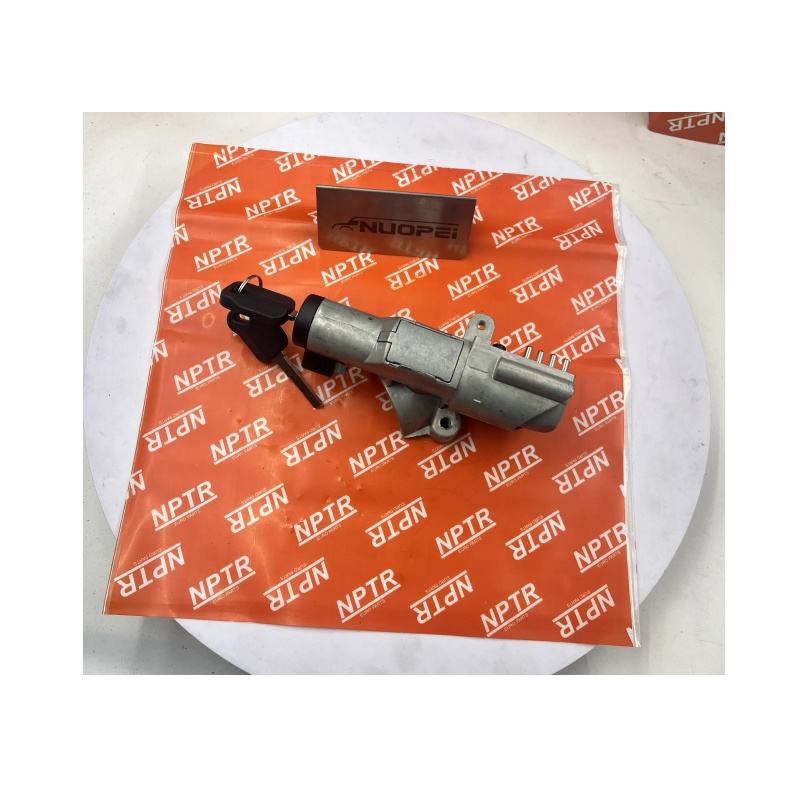
Long-term heavy-load cyclic operation accelerates metal fatigue of cylinder bottom and ear shaft parts. Cracks, deformation and fracture failures usually happen at stress concentration positions. Unqualified casting and welding processes make hidden dangers worse. Qualified heavy-duty hydraulic cylinders adopt integral forging forming technology, optimize stress transition structure, and conduct non-destructive flaw detection on all key parts, eliminating potential safety hazards during high-intensity construction work.
Daily maintenance habits also greatly affect cylinder durability. Irregular oil filtration, unclean hydraulic oil replacement, and neglected dust cover inspection will introduce impurities into the cylinder chamber. Impurities scratch inner cylinder wall and piston surface, forming irreversible abrasion marks. Reasonable maintenance cycles, clean oil replacement, and regular dust cover inspection can double the actual service life of high-quality hydraulic cylinders, greatly reducing overall operation cost for engineering fleets and industrial machinery users.
In summary, selecting a qualified heavy-duty hydraulic cylinder is a comprehensive decision involving material quality, machining precision, sealing technology, environmental adaptability and after-sales matching support. Pursuing ultra-low initial price brings frequent faults, long shutdown losses and high cumulative maintenance costs. Choosing professionally manufactured, strictly tested heavy-duty hydraulic components fundamentally solves common hydraulic system troubles, improves equipment working efficiency, and creates stable long-term economic benefits for various engineering and mechanical application scenarios.